

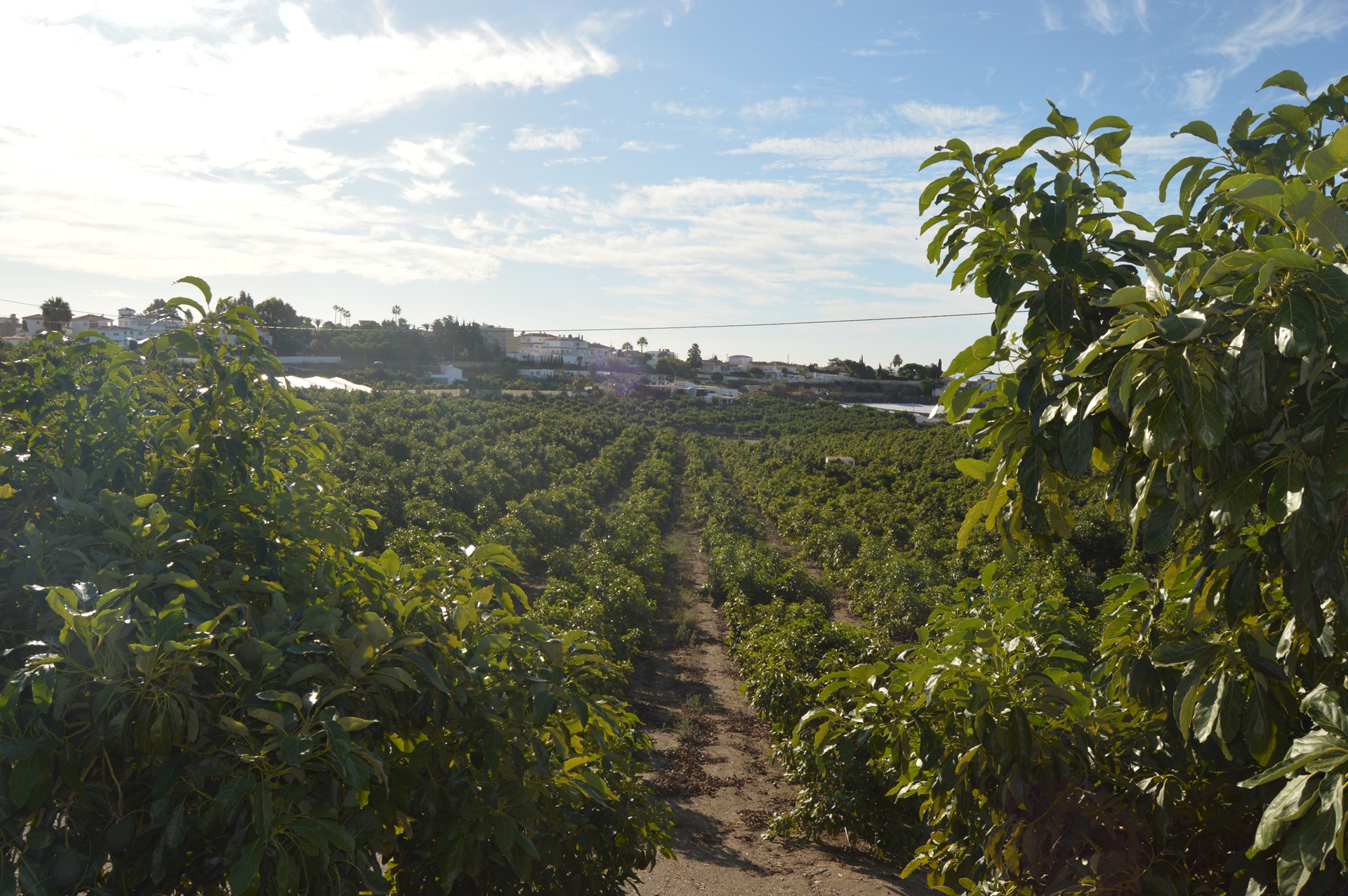
A long-term strategy for avocado farm management is not based on intuition, but on a robust system for data capture, analysis, and application. Below, we outline the pillars on which this vision is built—one where knowledge is the main driving force and a true asset.
1. Knowledge of the land and climate
The foundation of everything is a deep understanding of the environment.
Detailed soil and water analysis:
This is not about a single analysis at the outset, but about ongoing monitoring. Soil and leaf analyses should be carried out regularly to understand nutrient availability and to adjust fertilization with precision. Historical data from these analyses makes it possible to identify trends and to prevent deficiencies or toxicities.
Soil conservation and improvement:
Caring for the land is essential to ensure healthy and balanced plantations. The incorporation of organic matter, the maintenance of vegetative cover, and practices that enhance soil structure help increase fertility, improve water retention, and reduce erosion. Living, well-managed soil translates into stronger, more productive trees.
Continuous pursuit of productivity and quality:
Knowing the land means interpreting how each plot responds to agricultural practices. This constant observation makes it possible to adjust management in order to optimize productivity and enhance fruit quality, adapting to the specific characteristics of the soil, orientation, and climatic conditions. Every improvement stems from understanding how the farm interacts with its environment and how that information can be turned into more precise and efficient decisions.
2. Data-driven crop management
Daily decisions are not made by intuition, but are supported by the information collected.
Smart irrigation:
Instead of irrigating according to a fixed schedule, soil moisture sensors (capacitance probes, tensiometers) are used to apply water only when and where it is needed. Accumulated knowledge makes it possible to develop predictive irrigation models that adjust to the crop’s stage (flowering, fruit set, fruit growth) and to climatic conditions.
Precision nutrition (fertigation):
Fertilization plans are designed based on soil and leaf analyses. The nutrient “recipe” that works best for each variety (Hass, Lamb Hass, etc.) and at each phenological stage is documented. This knowledge is an extremely valuable asset that is refined year after year.
Pest management:
The systematic use of pesticides is abandoned. Instead, pest populations and their natural enemies are continuously monitored. Thresholds that require intervention are recorded, and biological or low environmental-impact methods are prioritized. Knowledge of the life cycles of local pests is essential.
Strategic pruning:
Pruning is not just about cutting branches. It is a technique to manage light, improve air circulation, balance production (avoiding alternate bearing), and facilitate harvesting. Pruning techniques that have delivered the best results over the years are documented in order to train pruning teams and maintain an optimal tree structure.
Commitment to sustainability and responsible management:
In line with the philosophy of Salsa Agrícola, every agronomic decision is aimed at ensuring a crop that is sustainable over time. This includes optimizing water use, protecting the soil, improving resource efficiency, and respecting the natural environment. The combination of technology, experience, and responsible management makes it possible to maintain productive, resilient farms aligned with an agricultural model that cares for both the land and its future.
3. A culture of learning and continuous improvement
Knowledge is only an asset if it remains alive and is shared.
Documentation systems:
Farm management applications—or even simple shared spreadsheets—are used to record all tasks performed, products applied, harvest volumes by sector, and more. This database becomes the farm’s “memory.”
Collaboration and networking:
Participation in technical workshops and ongoing communication with agronomic advisors are encouraged. Sharing experiences with other growers is one of the most effective ways to acquire new knowledge.