

Avocado in the Mediterranean Diet: Uses, Evolution, and Agricultural Value
In recent years, avocado has shifted from being considered an exotic product to becoming a regular part of many households’ diets. Its creamy texture, mild flavor, and great versatility have facilitated its inclusion in numerous recipes, especially within a balanced diet. In this context, avocado in the Mediterranean diet represents a natural evolution of consumption habits, where product quality, origin, and respect for the environment are increasingly important.
Traditionally, the Mediterranean diet has been associated with olive oil, fruits, vegetables, legumes, cereals, fish, and nuts. However, its essence is not limited to a fixed list of foods but rather a way of understanding nutrition based on fresh, nutritious, and locally linked products. This is why avocado has found its own place in this diet, providing healthy fats, fiber, and a great ability to combine with ingredients commonly used in Mediterranean cuisine.
Beyond its culinary versatility, avocado stands out for its nutritional properties. It is rich in monounsaturated fats, similar to those found in olive oil, which can be part of a diet aimed at cardiovascular health. It also provides fiber, promoting satiety and supporting healthy digestion. Additionally, it contains vitamins and minerals such as vitamin E, potassium, and certain B vitamins—nutrients associated with overall well-being and a balanced, varied diet.
Some of the main health benefits include:
- Supports heart health: Its profile of healthy fats makes it suitable for a diet focused on cardiovascular well-being.
- Promotes satiety: The fiber and healthy fats help you feel full for longer periods.
- Supports digestive health: The fiber in avocado aids intestinal transit as part of a varied diet.
- Provides essential nutrients: Avocado contains vitamins, minerals, and antioxidants that complement other foods typical of the Mediterranean diet.
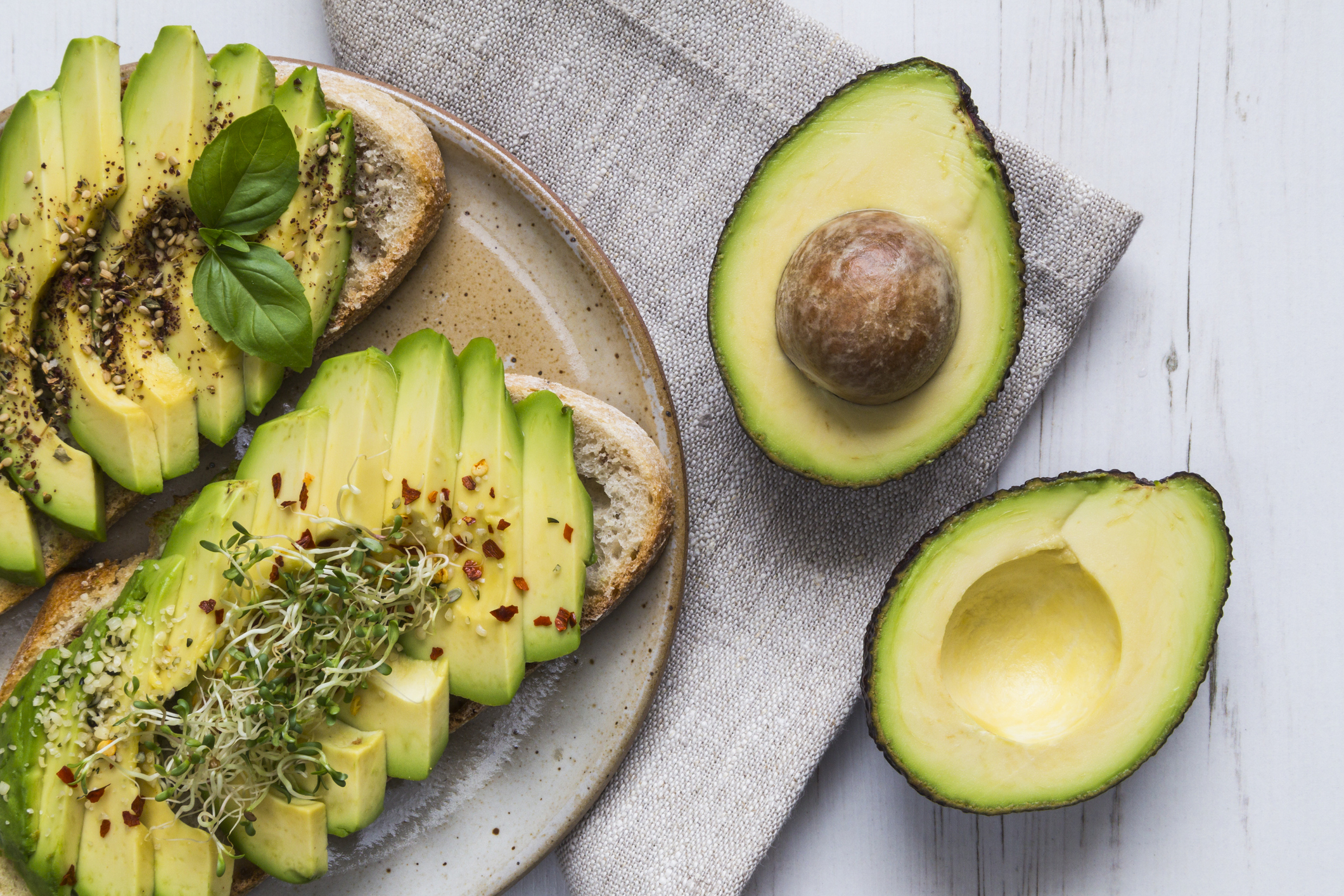
Today, avocado is enjoyed in breakfasts, salads, cold soups, toast, side dishes, and main courses. Its presence in simple and healthy recipes has increased due to the growing interest in natural and functional foods. Moreover, its consumption spans different types of consumers—from those seeking healthy daily options to those who value fresh products grown with high-quality standards.
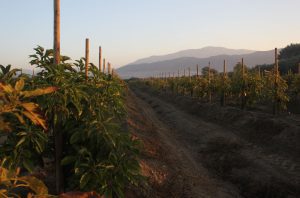
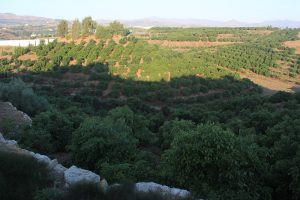
In the province of Málaga, avocado cultivation is particularly significant due to the favorable climatic conditions of the eastern region, where proximity to the sea, mild temperatures, and agricultural expertise support optimal growth. This is the environment where Salsa Agrícola operates.
Avocado in the Mediterranean diet also highlights the importance of responsible and local production. Salsa Agrícola manages farms along the eastern coast of Málaga, combining experience, knowledge of the land, and commitment to sustainable resource use. This local connection contributes to regional agricultural development while meeting the growing demand for quality products.
The evolution of avocado consumption reflects a shift in how we approach food: seeking healthy, versatile products with a recognizable origin. In this journey, specialized agricultural work is key to ensuring a product adapted to modern market needs. Therefore, avocado in the Mediterranean diet is not only about gastronomy but also about health, territory, agricultural innovation, and the future.