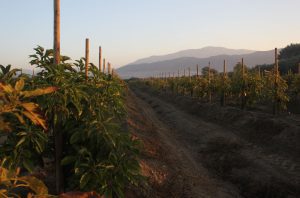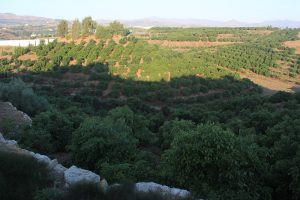
Mango production in Málaga has experienced remarkable growth over recent decades, positioning the province as a European benchmark for the cultivation of this tropical fruit. Along the eastern coast of Málaga, especially in areas such as the Axarquía, ideal conditions exist to achieve high productivity and quality in mango harvests. But what are the key factors that determine the agricultural yield of this crop?
1. Climate: temperature as a determining factor
Mango is a tropical crop that requires warm and stable temperatures to develop properly. In Málaga, the influence of the Mediterranean Sea creates a privileged microclimate with mild winters and long, hot summers, ideal for tree growth and fruit ripening.
-
Optimal temperature: Mango requires average temperatures above 15 °C. Frost can seriously affect flowering and may even lead to the loss of the tree.
-
Sunlight hours: Direct sun exposure promotes sugar formation in the fruit and improves its flavor.
-
Altitude and orientation: Farms located between 100 and 300 meters above sea level, with southern exposure and good wind protection, achieve better yields.
Thanks to these conditions, Málaga has become one of the few areas in Europe suitable for professional mango cultivation.
2. Water and water quality
Mango is moderately drought-resistant, but to achieve high agricultural yields, controlled and efficient irrigation is essential.
-
Water quality: An appropriate pH and low salinity levels are crucial. Excess salts can cause chlorosis, leaf drop, and reduced yields.
-
Irrigation frequency: During summer, regular watering is required to prevent water stress, especially during the fruit growth stage.
-
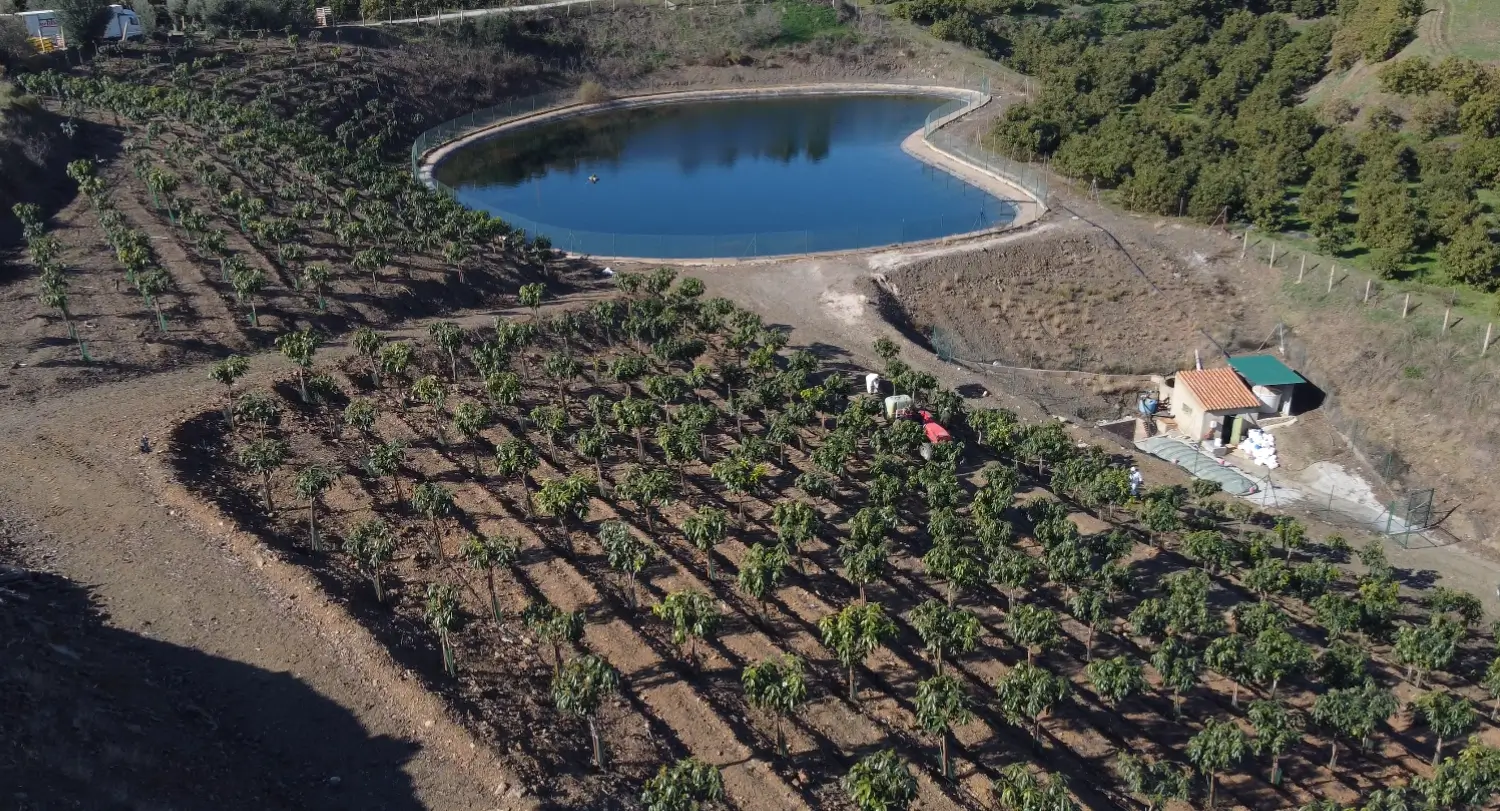
Irrigation techniques: Drip irrigation is the most commonly used system, as it allows better flow control and prevents unnecessary water loss.
Responsible water management is essential in areas such as the Axarquía, where crop sustainability depends on optimizing every available resource.
3. Agricultural management: from soil to fruit
Crop management directly influences both the quantity and quality of production. Key practices include:
-
Fertilization: Mango trees require balanced inputs of nitrogen, phosphorus, potassium, and micronutrients. Soil analysis helps adjust doses according to actual needs.
-
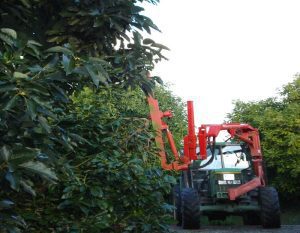
Pruning: Structural and maintenance pruning improves tree aeration, facilitates light penetration, and reduces the risk of pests and diseases.
-
Phytosanitary control: Continuous monitoring for fungi, bacteria, and pests such as fruit flies or mites is vital to ensure healthy, marketable harvests.
Mango cultivation in Málaga combines traditional techniques with innovative practices to ensure sustainable and profitable production.
In summary, mango agricultural yield in Málaga mainly depends on climate, efficient water use, and specialized agronomic management. At Salsa Agrícola, we work every day to optimize these factors and guarantee high-quality production that respects the environment and fully harnesses the potential of our land.