

Factors that influence mango quality in the Axarquía.
Mango has become one of the most representative crops of the Axarquía region of Málaga. The area’s subtropical microclimate, its proximity to the sea and the experience gained in cultivating this fruit create particularly favourable conditions for its production.
However, producing fruit with good flavour, aroma, texture and size does not depend on a single element. The Factors that influence mango quality in the Axarquía are related to the environment, agronomic planning and the care provided throughout the entire growing cycle.
A favourable climate that requires careful monitoring.
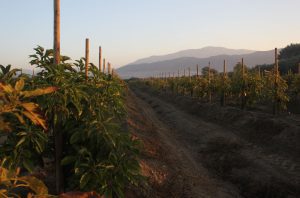
Mango trees require warm, relatively stable temperatures. The mild winters of Málaga’s eastern coastline reduce the risk of cold damage, while the high levels of sunlight encourage tree growth and the accumulation of sugars in the fruit.
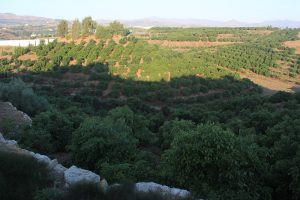
Even so, temperature fluctuations and environmental conditions during flowering can affect fruit set and, subsequently, the uniformity of the harvest. For this reason, monitoring each plot is essential. The orientation of the farm, its altitude, exposure to sunlight and protection from the wind can create differences even between neighbouring plantations.
Water and nutrition: keys to maintaining balance.
Water availability and the way it is managed have a direct influence on mango development. Prolonged water shortages can restrict fruit growth, while excess moisture can affect the root system and encourage the development of plant health problems.
The aim is to adapt irrigation to the crop’s actual needs, taking into account its stage of development, soil moisture and weather conditions. The use of monitoring systems makes it possible to adjust water inputs and avoid both water stress and unnecessary water consumption.
Fertilisation must also be planned with precision. A balanced supply of nutrients helps maintain the health of the tree, as well as the fruit’s size and internal quality. At Salsa Agrícola, irrigation and fertilisation management are integrated into a technical plan aimed at optimising resources and avoiding unnecessary inputs.
Variety, fruit load and plant health.
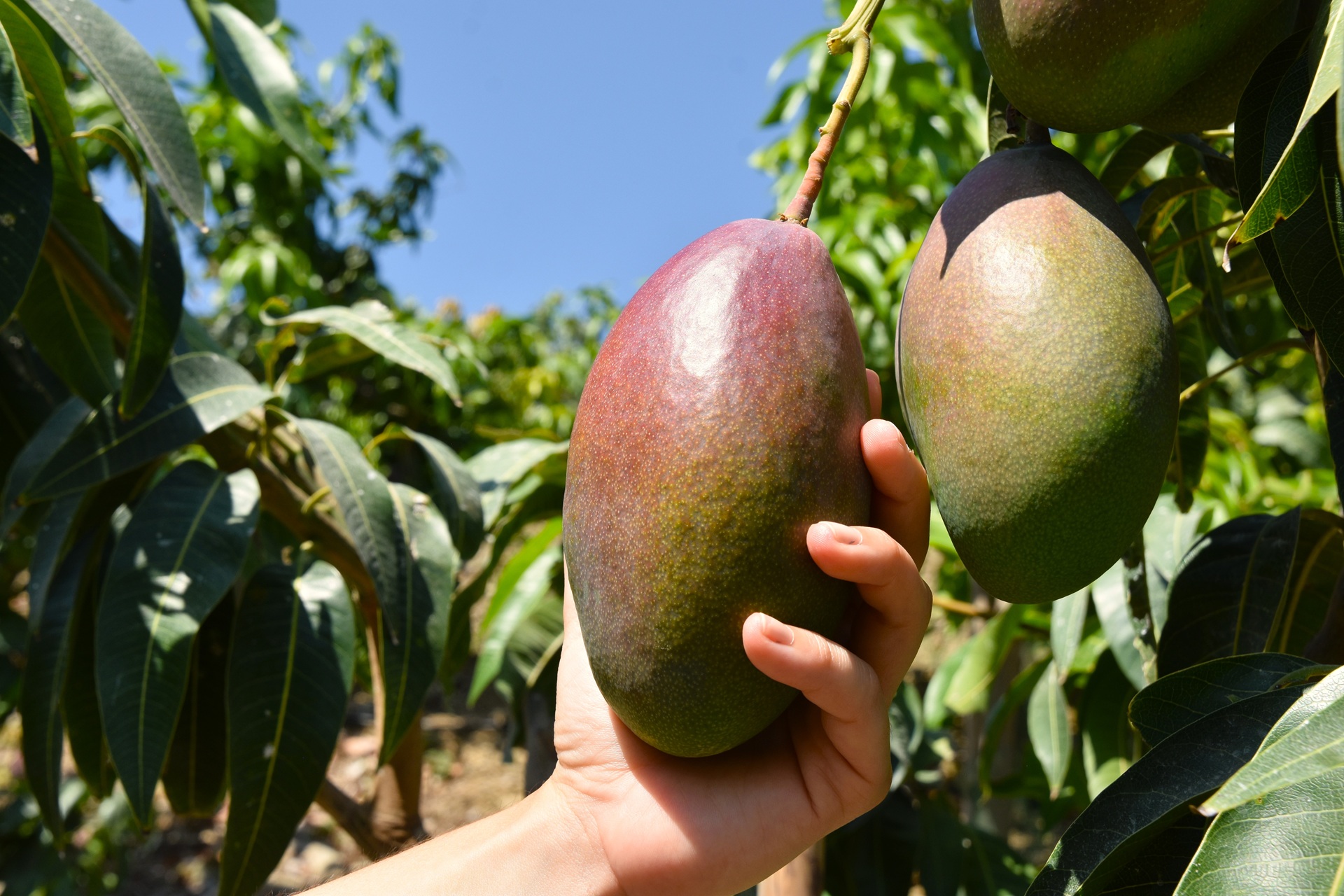
The cultivated variety determines aspects such as the ripening schedule, size, colour, firmness and flavour profile. At Salsa Agrícola’s farms, varieties such as Osteen, Palmer, Keitt and Irwin are grown, each with different characteristics and harvesting periods.
It is also important to control the tree’s fruit load. A balanced crop load allows the plant’s resources to be distributed more effectively and promotes more uniform ripening.
This is complemented by phytosanitary monitoring, pruning and proper canopy ventilation. These practices help prevent the appearance of pests and diseases that can affect the mango’s external appearance, shelf life and commercial quality.
Harvesting at the right time.
The timing of the harvest is crucial. A mango harvested too early may not fully develop its aroma and sweetness, while harvesting too late may reduce its firmness and shelf life.
One of the advantages of mangoes grown in the Axarquía is their proximity to European markets. This makes it possible to harvest the fruit at a more advanced stage of ripeness than mangoes from distant origins, which need to withstand much longer transport times. The result is fruit that can develop a more intense flavour, a fresh aroma and a juicy texture.
Post-harvest handling must also be carried out with care. Team coordination, fruit selection and reducing the time between harvesting and delivery help prevent bruising, losses and deterioration.
Salsa Agrícola’s commitment to quality.
The Factors that influence mango quality in the Axarquía show that the final result begins long before harvest. The climate provides an exceptional foundation, but it is the combination of technical expertise, planning, efficient water use, plant health monitoring and choosing the right time to harvest that makes it possible to produce mangoes with the distinctive characteristics of this region.
At Salsa Agrícola, this work is carried out through a responsible approach to production, adapting decisions to the needs of each farm and seeking a balance between quality, productivity and environmental conservation.