

Start of the mango season at Salsa Agrícola: the result of a year of specialized work
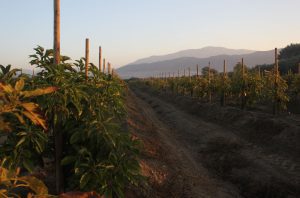
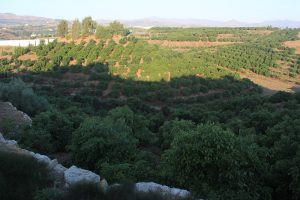
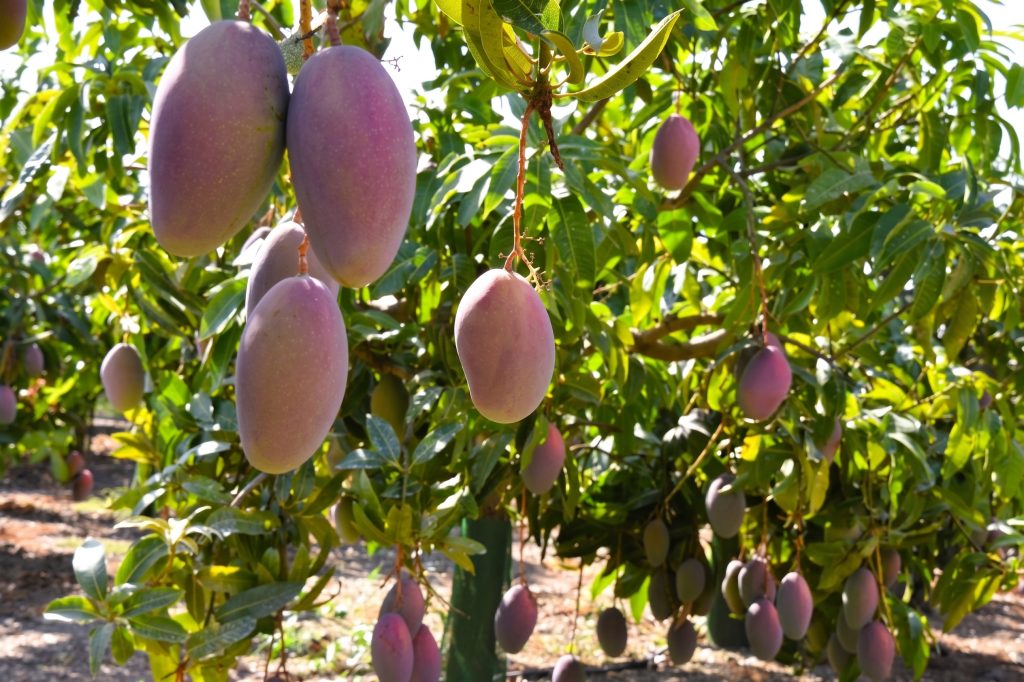
The start of the mango season at Salsa Agrícola marks one of the most important moments in the annual calendar of the farms. As summer draws to a close, the teams prepare to begin harvesting a fruit closely linked to subtropical agriculture and to the landscape of Málaga’s Axarquía region.
The harvest represents the most visible stage of the season, but it is also the result of many months of monitoring, planning and specialised work. Throughout the growing cycle, factors such as tree development, fruit load in each plot, crop health, irrigation and fertilisation are carefully monitored. These measures help promote balanced ripening and prepare the mangoes so that they reach harvest time in the best possible condition.
Harvesting begins at the right time
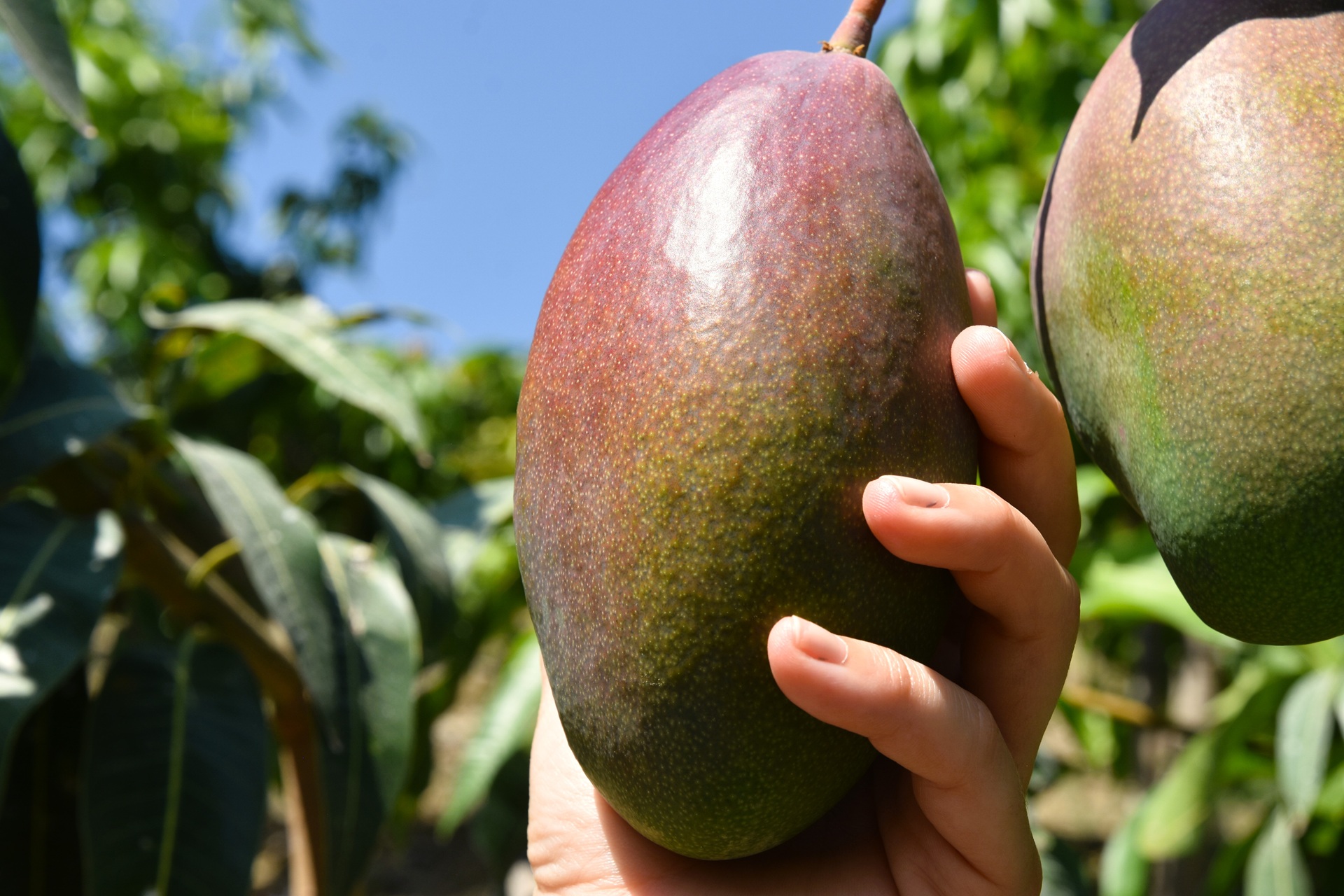
Determining when harvesting should begin is one of the most important decisions of the entire season. Mangoes need to reach the right level of ripeness in order to develop their characteristic flavour, aroma, texture and firmness.
Harvesting too early can prevent the fruit from fully developing its sweetness and aromatic profile. Conversely, harvesting too late can reduce its shelf life. For this reason, before harvesting begins, the technical teams assess the fruit’s development and the specific conditions of each farm.
The proximity of the farms in the Axarquía to national and European markets helps reduce transport times. This closeness allows the mangoes to remain on the tree for longer and to be harvested at a more advanced stage of ripeness than fruit coming from distant origins, which needs to withstand much longer journeys.
A season organised by varieties
At Salsa Agrícola’s farms, varieties such as Osteen, Palmer, Keitt and Irwin are grown. Each has its own characteristics in terms of ripening schedule, size, colour, firmness and flavour profile. This diversity makes it possible to organise the season progressively and adapt harvesting to the natural ripening pace of each variety.
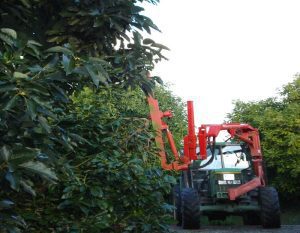
The start of the harvest also requires precise coordination of human and material resources. Cutting teams need to be organised, the requirements of each plot reviewed, logistics prepared and deliveries carefully scheduled. The aim is to reduce the time between harvesting and marketing, while avoiding bruising, loss of quality or unnecessary deterioration.
This coordination is complemented by a careful selection of the fruit. During harvesting, criteria such as ripeness, firmness, size and external appearance are taken into account. In this way, each mango is picked at the most appropriate moment and handled with the necessary care to preserve its qualities.
Specialised agriculture from the field
Mango cultivation is an example of specialised agriculture because it requires decisions to be adapted to the specific characteristics of each farm. Orientation, sun exposure, soil type, water availability and environmental conditions can vary from one plot to another, making continuous monitoring essential.
At Salsa Agrícola, irrigation and fertilisation management form part of a technical planning process aimed at optimising resources. This is complemented by phytosanitary monitoring, pruning, canopy aeration and control of the trees’ productive load. All these measures help maintain the health of the plantations and promote more uniform ripening.
The start of the mango season at Salsa Agrícola therefore represents much more than the beginning of the harvest. It is the culmination of work carried out throughout the year, based on close observation of the land, technical expertise and respect for the natural rhythms of the crop. A new season begins in the Axarquía with the aim of bringing to market a locally grown mango, carefully cultivated and closely linked to the agricultural identity of the region.